Posted On: Tuesday - March 24th 2026 8:22AM MST
In Topics: Economics Big-Biz Stupidity World Political Stupidity
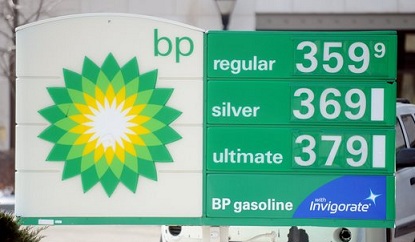
I’ve written in the comments here and elsewhere that I’d like to see this stupid and damaging war (to about everybody) end soon, no matter what the official story is. Donald Trump is the very last person to say “I made a mistake”. Were he to call the end of it a “Deal like nobody has ever seen!”, I don’t care, so long as it stops.
Gas prices have gone up. No, that’s not at all a big reason that Peak Stupidity is against this Iran stupidity, but it’s a symptom of some of the reasons. For lots of Americans, the price of gas may indeed be what turns them against the war. It shouldn’t be that way, just as it shouldn’t be that elections are decided based on the latest gas price rises or decreases. (We did hope, however, in ‘24, that gas prices would go through the roof sometime in late October, yes, to encourage those people to come out.)
That was just a big disclaimer to say we don’t consider the price of gas the biggest worry in the world right now.. not yet, anyway! However, Americans on supposed low budgets who will up and buy a candy bar with still no concern for the price, AT THE GAS STATION, keep a close eye on the signs - special card/credit/debit-cash, whatever, and note them to the dime or nickel per gallon.
Therefore, we’re gonna do this silver-for-gas comparison again, with some additional commentary. We’ve written before that it’s interesting to look at current gas prices in comparison to the average price in 1964. Why 1964? That was the last year in which American coinage (with the exception of pennies and nickels) was made of 90% silver by mass. Along with that, the weight vs face value of these coins was linear, so a half-dollar coin had 5 x the silver in a dime, etc. It worked out to ~0.72 troy oz. of silver per $1 face value. So, when you paid for gas, you were using the precious metal and REAL money silver to pay for it.*
The www is giving me values from 25¢ to 30¢ per gallon for the 1964 average gas price. Two and a half dimes, let’s call it, on the low end, contained 0.18 oz of silver, so gasoline was 0.18 oz/gallon in REAL money, that last year the coinage WAS real money.
I paid $3.50/gallon or so last week when I put gas in 2 of the vehicles. With the spot silver price at $69/oz as I wrote, that $3.50 can be exchanged (well, assuming your coin dealer charges you no premium) for only 0.051 oz. In other words, gas last week was still less than 1/3 of its price in real money 6 decades ago. I think more of the general price level of the last few years though. The price fluctuates, sometimes nowadays based on some savvy or overly-educated-in-marketing types to the extent that I’ll go by in the morning, think “no time now, but I’ll get it on the way back”, and on the way back it’s up 15¢(!). It’s been pretty stable in the medium term, when you recall. I am the same as most Americans in that I can’t help but observe the signs - by my estimate gas has stayed within a +/- 10% range around $2.60/gal for a few years now where I live. That’s averaging 20% of 1964 gas in real money.
But wait! The reader may wonder what’s special about the 03/24/26 silver price, that spot $69/oz? It’s been lower, it’s been way higher, and who knows? Right, precious metals are traded and speculated on as if they were investments, when it’s really those green pieces of paper or computer-stored bits that are the investment, and a bad one at that! Silver and gold will generally, over the years, reflect the value of the dollar. If silver were to go back to $25/oz - I don’t think it will - that would mean gas is at only 3/4 its 1964 price.
Of course, it is going up as I write. At 5 bucks a gallon, it’d be just over the 1964 price. BUT, when it gets to a local minimum in price, some States - not naming any names here - will greedily tax it even harder, and this is critical, by the gallon. At $10/gallon, in some states, the actual gasoline may cost not much more than in 1964, but the taxes in the name of “saving the planet” are much higher. I don’t think The Planet is any better off for it… the people… they surely aren’t!
So, fear not, Americans, gas is still very cheap!
What you should do is, check the prices on candy bars before you buy them.** I do. Many Americans are still too embarrassed to do that. Are you (not aimed at our typical PS reader, BTW) still so wealthy that checking prices is beneath you? Do you know that in 1964 a candy bar could be bought for 5-10¢, as in, for one or half of one of those sliver dimes? Last time I checked at the gas station, they were $2.50 to $3.00! They are 5-10 x more expensive, in REAL MONEY!
Don’t bitch about the gas prices until you can get on a budget and handle your money. Stop being a sucker and buying lottery tickets and holding me up when I’m paying for my gas! (The Indian-run station near me has been competitive, but they are tricky in that a debit card rings up at the credit card price there - I go in and pay cash - gotta go twice to fill up the one car with no working gas gauge.)
Want more commentary? See the comments under this ZeroHedge article: Costco Gas Lines Surge As Drivers Hunt For Cheaper Fuel .
PS: Final thought: Those Indians there at the local station, most certainly the one guy with the biggest dot - it’s a seniority thing - would be the most likely to understand my basic point here. Were I to give the guy 10 early-1960s dimes for my 10 gallon fill-up, would he take them? He could thrown in a half dozen microwave burritos and a blueberry squishy and still come out ahead!
In their articles on gold back in the day (‘11 or so), ZeroHedge would usually have the same picture at the top with some Indian guy in India wearing a jacket made out of strips of gold.
* For years, even decades to come, of course one could still pay with the older coins, i.e., in silver, but one could also use the coins that didn’t have that inherent known worth.
** This is a new thing, maybe 1 or 2 decades old: I don’t know if the point is cost saving measures, as in, setting prices on the
*** That doesn’t stand for what you think it does or what it probably should. That’s Point Of Sale system.
Comments:
Moderator
Thursday - March 26th 2026 9:29AM MST
PS: "If we indexed gas prices to silver at $34.50/oz (half the price used in the calculation; and the trading price as recently as mid-2025!), wouldn't the final numbers be closer to "2025 gas prices ay HALF 1964 levels" than "2025 gas prices at ONE-FIFTH the 1964 levels"?"
Yes, and I wrote something to that effect: "f silver were to go back to $25/oz - I don’t think it will - that would mean gas is at only 3/4 its 1964 price." I used $25, so I got ~ 3/4.
I could have written this article based on what I think is the value silver will plateau out at, but I don't like being wrong, and I don't have a good number. I think it'll end up at somewhere between $50 - $60/oz for a few years, barring a real crash of the economy first, and gold maybe $3,000 to $3,500/oz.
"As for housing: as immigration restrictionists have pointed out for years, the momentum behind the recent Housing Bubbles -- the one that inflated in the 2000s; and the current one -- really serious problems, objectively demonstrable in data and in people's experiences -- are driven by immigration."
Yes, and if deportation numbers are even just a couple million a year, that can make a BIG difference. A small reversal in the buyers/sellers ratio may bring prices down a lot. I'm hoping for that. That'd be good for about everyone... unless you're a realtor.
I wrote a post on this, but just the housing prices coming significantly down and being touted as caused by deportations ought to be something for Trump to brag about. Of course, he's in with the real estate people, so he probably wouldn't. One would think this would get lots of votes from young adults.
Yes, and I wrote something to that effect: "f silver were to go back to $25/oz - I don’t think it will - that would mean gas is at only 3/4 its 1964 price." I used $25, so I got ~ 3/4.
I could have written this article based on what I think is the value silver will plateau out at, but I don't like being wrong, and I don't have a good number. I think it'll end up at somewhere between $50 - $60/oz for a few years, barring a real crash of the economy first, and gold maybe $3,000 to $3,500/oz.
"As for housing: as immigration restrictionists have pointed out for years, the momentum behind the recent Housing Bubbles -- the one that inflated in the 2000s; and the current one -- really serious problems, objectively demonstrable in data and in people's experiences -- are driven by immigration."
Yes, and if deportation numbers are even just a couple million a year, that can make a BIG difference. A small reversal in the buyers/sellers ratio may bring prices down a lot. I'm hoping for that. That'd be good for about everyone... unless you're a realtor.
I wrote a post on this, but just the housing prices coming significantly down and being touted as caused by deportations ought to be something for Trump to brag about. Of course, he's in with the real estate people, so he probably wouldn't. One would think this would get lots of votes from young adults.
Adam Smith
Thursday - March 26th 2026 9:24AM MST
PS: Good afternoon, friends!
https://i.ibb.co/gLj380Sw/silver-gold-ratio.jpg
https://i.ibb.co/S4LWLcxK/Real-Estate-to-Gold-Ratio.jpg
https://www.longtermtrends.com/real-estate-gold-ratio/
I have more to say about this, but I'm enjoying a delicious salmon sandwich right now.
(Be back soon.) Cheers! ☮️
https://i.ibb.co/gLj380Sw/silver-gold-ratio.jpg
https://i.ibb.co/S4LWLcxK/Real-Estate-to-Gold-Ratio.jpg
https://www.longtermtrends.com/real-estate-gold-ratio/
I have more to say about this, but I'm enjoying a delicious salmon sandwich right now.
(Be back soon.) Cheers! ☮️
Moderator
Thursday - March 26th 2026 9:21AM MST
PS: "Obviously people are hedging/gambling/speculating. (How exactly to explain this, I'm not sure but I wouldn't be surprised if Jared Kushner and co. are involved.)"
I used to read ZH thoroughly back in '11 - '12. (There was less on there, so I could read all articles and comments.) Even those commenters who rightly wrote about the scams in this Crony Capitalist system, the recent-at-the-time bailouts, too big to fail, etc, STILL, STILL were more concerned with how to make money off of all this.
Many of the people - writers and commenters - did understand precious metals as real money, but others just wanted to "buy the dip" and all that other investor jazz. They wanted to make a profit off the screwed up economic mess, so while they'd disparage the system, they still were most concerned and confused with/about coming out ahead... somehow.
It's somewhat understandable that an investor type would be on ZH (back then, anyway), but many of us were reading to figure out how to get through it intact.
That was well O/T of your question, but my point is just that the big fluctuations in silver/gold above and beyond the general rise to reflect the devaluing of the $ are due to these people. I don't know if Jared is one of these types.
I used to read ZH thoroughly back in '11 - '12. (There was less on there, so I could read all articles and comments.) Even those commenters who rightly wrote about the scams in this Crony Capitalist system, the recent-at-the-time bailouts, too big to fail, etc, STILL, STILL were more concerned with how to make money off of all this.
Many of the people - writers and commenters - did understand precious metals as real money, but others just wanted to "buy the dip" and all that other investor jazz. They wanted to make a profit off the screwed up economic mess, so while they'd disparage the system, they still were most concerned and confused with/about coming out ahead... somehow.
It's somewhat understandable that an investor type would be on ZH (back then, anyway), but many of us were reading to figure out how to get through it intact.
That was well O/T of your question, but my point is just that the big fluctuations in silver/gold above and beyond the general rise to reflect the devaluing of the $ are due to these people. I don't know if Jared is one of these types.
Hail
Thursday - March 26th 2026 8:51AM MST
PS
-- Accounting for the silver price bubble --
You're right that there are problems with any price-comparison. The silver comparison is logically grounded. But how do we account for the recent surge in silver prices? You alluded to this late in the post, but the magnitude of the silver price rise may temporarily make silver not as reliable as it should (long-run "will") be:
SILVER PRICES
-- $15 to $20, between mid-2013 and mid-2020;
-- $25, late 2020 to early 2024;
-- then, a MAJOR surge starting in mid-to-late 2024
-- Peak at over $100 for a few weeks in January 2026 (then a big sell-off on Jan 30, 2026, when the price dropped by $35 in one day, from $115 to $85);
-- the weeks before the Israel/US war against Iran: silver at $80 to $90
-- today, silver at $69-$70.
Such variations in the 2020s, as we've seen, are not in line with lived-experience price inflation. A 3x to 4x rise between mid-2024 and early 2026? Not realistic.
Obviously people are hedging/gambling/speculating. (How exactly to explain this, I'm not sure but I wouldn't be surprised if Jared Kushner and co. are involved.)
If we indexed gas prices to silver at $34.50/oz (half the price used in the calculation; and the trading price as recently as mid-2025!), wouldn't the final numbers be closer to "2025 gas prices ay HALF 1964 levels" than "2025 gas prices at ONE-FIFTH the 1964 levels"?
_________
I originally wrote a few lines about the Housing Bubble, now ongoing, in my comment about the "gas prices in terms of new-house prices." The bubble distorts the price of housing (the very definition of a bubble). In the end, I cut that Housing Bubble discussion from the submitted comment because the whole thing was getting too long and complicated.
I'd have to think it through a bit more, but it does feel lke Housing Bubbles in our times are bad signs for social health --- I mean, signals of bad social health, probably related to ideological Wokeness and demographic-trajectory problems.
In the decades of depressed prices in the housing market (mid-1910s to mid-1940s), the US was in a healthier place.
A housing bubble in our times will be related to economic expansion and may be related to political-cultural Wokeness. But all these are parallel phenomena that may feed off, reinforce, each other. The one latching onto the other reminds me of 2020: a virulent strain of Wokeness, we'll remember, latched on hard to the Covid-Cult in mid-2020. A "virus panic" in itself does not necessarily lead to the set of ideological currents we call Wokeness. Why would it? But we all observed it. The two fed off each other. Symbiosis.
Something similar must be going on with the Housing Bubble, economic expansion 'per se', and Wokeness. Wokeness is bad for growth, and eats up social capital, so may be a natural product of over-exuberant nominal growth, the social organism reacting to slow down growth that was too fast. And the two major Housing Bubbles we've witnessed in the past quarter century (peaking in the mid-2000s, before the 2008 "pop"; and the current one, still not really popped) saw prices rise in areas not fully under the influence of Wokeness. I would be interested to hear others' views on this.
_________
As for the finding that gas prices in 2025 were HALF what they were in 1964 "expressed in terms of new-home prices," it is in no sense final data (obviously), and this kind of data is intriguing because it may tell us just as much or MORE about housing prices, both in the 1960s and in the 2020s, as it does about gas prices.
Here is another way, maybe easier to understand at a glance, of presenting the numbers (using "new home" as a currency-unit similar to US Dollars; how many new homes can 50,000 gallons of gas buy?
-- 1964 --
100 gasoline-years (50,000 gallons)
= 0.77 new homes in 1964
-- 2025 (indexed to NEW HOME sale prices) --
100 gasoline-years (50,000 gallons)
= 0.36 new homes in 2025
(2025 at HALF the 1964 real price in new-home-price terms).
implying an average gas price in 2025 at $6+/gallon?
-- 2025 (indexed to the SILVER price at $69/oz) --
100 gasoline-years (50,000 gallons)'
= circa 0.15 to 0.20? new homes in 2025
(i.e., 2025 at ONE-FIFTH the 1964 real gas price)
implying an average gas price in 2025 at $15/gallon?
-- 2025 (indexed to the SILVER price at $34.50/oz) --
100 gasoline-years (50,000 gallons)'
= circa 0.30 to 0.35? new homes in 2025
(i.e., 2025 at 40% the 1964 real gas price)
implying an average gas price in 2025 at $7.50/gallon to match 1964 prices?
(note: silver at $34.50 used for simplicity of calculation, being half the calculated price, and the actual silver trading price as recently as the summer of 2025...)
__________
COMMENT: The problems of real-estate speculation, in both the 1960s and 2020s, AND of silver speculation in recent times, can distort our numbers here.
The strange surge in silver prices since 2024 may be a more serious analytical problem than the Housing Bubble, using current numbers.
In the LONG(er) RUN, silver may reflect the value of real money, but in the short run something strange is going on that distort the prices.
As for housing: as immigration restrictionists have pointed out for years, the momentum behind the recent Housing Bubbles -- the one that inflated in the 2000s; and the current one -- really serious problems, objectively demonstrable in data and in people's experiences -- are driven by immigration. The three-way connection between nominal Economic Expansion, a Housing Bubble, and Wokeness is something I'd like to think through more and expand on, and hear any of the views of the few diehards who have read this far.
-- Accounting for the silver price bubble --
You're right that there are problems with any price-comparison. The silver comparison is logically grounded. But how do we account for the recent surge in silver prices? You alluded to this late in the post, but the magnitude of the silver price rise may temporarily make silver not as reliable as it should (long-run "will") be:
SILVER PRICES
-- $15 to $20, between mid-2013 and mid-2020;
-- $25, late 2020 to early 2024;
-- then, a MAJOR surge starting in mid-to-late 2024
-- Peak at over $100 for a few weeks in January 2026 (then a big sell-off on Jan 30, 2026, when the price dropped by $35 in one day, from $115 to $85);
-- the weeks before the Israel/US war against Iran: silver at $80 to $90
-- today, silver at $69-$70.
Such variations in the 2020s, as we've seen, are not in line with lived-experience price inflation. A 3x to 4x rise between mid-2024 and early 2026? Not realistic.
Obviously people are hedging/gambling/speculating. (How exactly to explain this, I'm not sure but I wouldn't be surprised if Jared Kushner and co. are involved.)
If we indexed gas prices to silver at $34.50/oz (half the price used in the calculation; and the trading price as recently as mid-2025!), wouldn't the final numbers be closer to "2025 gas prices ay HALF 1964 levels" than "2025 gas prices at ONE-FIFTH the 1964 levels"?
_________
I originally wrote a few lines about the Housing Bubble, now ongoing, in my comment about the "gas prices in terms of new-house prices." The bubble distorts the price of housing (the very definition of a bubble). In the end, I cut that Housing Bubble discussion from the submitted comment because the whole thing was getting too long and complicated.
I'd have to think it through a bit more, but it does feel lke Housing Bubbles in our times are bad signs for social health --- I mean, signals of bad social health, probably related to ideological Wokeness and demographic-trajectory problems.
In the decades of depressed prices in the housing market (mid-1910s to mid-1940s), the US was in a healthier place.
A housing bubble in our times will be related to economic expansion and may be related to political-cultural Wokeness. But all these are parallel phenomena that may feed off, reinforce, each other. The one latching onto the other reminds me of 2020: a virulent strain of Wokeness, we'll remember, latched on hard to the Covid-Cult in mid-2020. A "virus panic" in itself does not necessarily lead to the set of ideological currents we call Wokeness. Why would it? But we all observed it. The two fed off each other. Symbiosis.
Something similar must be going on with the Housing Bubble, economic expansion 'per se', and Wokeness. Wokeness is bad for growth, and eats up social capital, so may be a natural product of over-exuberant nominal growth, the social organism reacting to slow down growth that was too fast. And the two major Housing Bubbles we've witnessed in the past quarter century (peaking in the mid-2000s, before the 2008 "pop"; and the current one, still not really popped) saw prices rise in areas not fully under the influence of Wokeness. I would be interested to hear others' views on this.
_________
As for the finding that gas prices in 2025 were HALF what they were in 1964 "expressed in terms of new-home prices," it is in no sense final data (obviously), and this kind of data is intriguing because it may tell us just as much or MORE about housing prices, both in the 1960s and in the 2020s, as it does about gas prices.
Here is another way, maybe easier to understand at a glance, of presenting the numbers (using "new home" as a currency-unit similar to US Dollars; how many new homes can 50,000 gallons of gas buy?
-- 1964 --
100 gasoline-years (50,000 gallons)
= 0.77 new homes in 1964
-- 2025 (indexed to NEW HOME sale prices) --
100 gasoline-years (50,000 gallons)
= 0.36 new homes in 2025
(2025 at HALF the 1964 real price in new-home-price terms).
implying an average gas price in 2025 at $6+/gallon?
-- 2025 (indexed to the SILVER price at $69/oz) --
100 gasoline-years (50,000 gallons)'
= circa 0.15 to 0.20? new homes in 2025
(i.e., 2025 at ONE-FIFTH the 1964 real gas price)
implying an average gas price in 2025 at $15/gallon?
-- 2025 (indexed to the SILVER price at $34.50/oz) --
100 gasoline-years (50,000 gallons)'
= circa 0.30 to 0.35? new homes in 2025
(i.e., 2025 at 40% the 1964 real gas price)
implying an average gas price in 2025 at $7.50/gallon to match 1964 prices?
(note: silver at $34.50 used for simplicity of calculation, being half the calculated price, and the actual silver trading price as recently as the summer of 2025...)
__________
COMMENT: The problems of real-estate speculation, in both the 1960s and 2020s, AND of silver speculation in recent times, can distort our numbers here.
The strange surge in silver prices since 2024 may be a more serious analytical problem than the Housing Bubble, using current numbers.
In the LONG(er) RUN, silver may reflect the value of real money, but in the short run something strange is going on that distort the prices.
As for housing: as immigration restrictionists have pointed out for years, the momentum behind the recent Housing Bubbles -- the one that inflated in the 2000s; and the current one -- really serious problems, objectively demonstrable in data and in people's experiences -- are driven by immigration. The three-way connection between nominal Economic Expansion, a Housing Bubble, and Wokeness is something I'd like to think through more and expand on, and hear any of the views of the few diehards who have read this far.
Moderator
Thursday - March 26th 2026 7:16AM MST
PS: Mr. Hail, paying for a house is THE biggest lifetime for most people. One could relate gasoline to that, as you did, or median family income, or min. wage, as Mr. Smith did.
There are complications with comparisons to anything, but housing is a big one for that. It's hard to compare apples-to-apples. That's why I like to compare to real money, gold or silver. However, they too have problems in the short run. Rather than seeing them as money, people see them as investments to make "money" on. So, as I wrote, if you did this same calculation with $25/oz silver, as I indeed did in the older posts, gas would seem to be right there at 25% lower or so than in 1964.
There are complications with comparisons to anything, but housing is a big one for that. It's hard to compare apples-to-apples. That's why I like to compare to real money, gold or silver. However, they too have problems in the short run. Rather than seeing them as money, people see them as investments to make "money" on. So, as I wrote, if you did this same calculation with $25/oz silver, as I indeed did in the older posts, gas would seem to be right there at 25% lower or so than in 1964.
Moderator
Thursday - March 26th 2026 7:12AM MST
PS: Hello Alarmist and sorry for the delayed response. Even in the 1980s, people talked about "wars for oil" and noted the money that was spent by the American taxpayer to keep it flowing. So, yeah, there's a hidden cost that you pay as a taxpayer.
Thanks for doing the calculation on this too.
Thanks for doing the calculation on this too.
Hail
Wednesday - March 25th 2026 8:42PM MST
PS
-- Gas prices expressed in terms of new-home prices: 1964 vs 2025 --
An alternate calculation on gas prices, 1964 vs 2026:
(1.) Find the cost of 500 gallons of gasoline (plausible for typical consumption);
(2.) Find the median sale price for new homes.
(3.) Question): How many years' worth of gasoline (pegged here to 500 gallons/year) would it take to buy a new home? 1964 and 2025.
(3b.) To make the calculation make more sense as a kind of currency: How many new homes would 1000 "gasoline-years" buy in 1964 and 2025?
Once finding all the above, compare 3b results as if they were currency units, and see at a glance how much cheaper gas in 2025 was than 1964.
_____________
1964
(1.)
Cost of 500 gallons of gasoline in 1964
@ 30 cents per gallon = $150
(2.)
Census data on median
price of new homes sold:
January 1964:
$17,800
June/July 1964:
$18,950
December 1964:
$21,000
(3a.) The median new home in 1964 cost 120 to 140 "gasoline-years." (The LOWER this number, the more expensive gas is.)
(3b.) 1000 "gasoline-years" in 1964 would buy 7.15 to 8.45 new homes.
_____________
2026
(1.)
Cost of 500 gallons of gasoline in 2025
@ $3.10 in 2025 = $1550
(NOTE: although average fuel-efficiency is higher in 2026, people also drive more so let's assume these things cancel each other out.)
(2.)
Census data on median
price of new homes sold:
January 2025:
$429,600
June/July 2025:
$403,250
December 2025:
$414,400
(3a.) The median new home in 2025 cost 260 to 277 "gasoline-years." (The LOWER this number, the more expensive gas is.)
(3b.) 1000 "gasoline-years" in 2025 would buy 3.60 to 3.85 new homes.
____________
CONCLUSION:
The cost of gasoline in 2025 was about HALF the relative cost it was in 1964, ---- expressed as a percent of new-home cost.
(Divide the two (3b.) results into each other: if 1964 prices=100, 2025 prices were in the 43 to 54 range.)
The Israel-Trump Iran War pushing up gas prices to $6.00/gallon, without changes in driving habits, would increase the "one gasoline-year" rate to $3000 ($6x500). In that case, 1000 "gasoline-years" would then buy about 7.25 new homes, which would equal the 1964 gasoline relative cost (expressed in new-home-price terms).
By this method, gas at $6/gallon (which is politically unthinkable) is what it would take to put 2026 prices EQUAL to 1964 prices.
-- Gas prices expressed in terms of new-home prices: 1964 vs 2025 --
An alternate calculation on gas prices, 1964 vs 2026:
(1.) Find the cost of 500 gallons of gasoline (plausible for typical consumption);
(2.) Find the median sale price for new homes.
(3.) Question): How many years' worth of gasoline (pegged here to 500 gallons/year) would it take to buy a new home? 1964 and 2025.
(3b.) To make the calculation make more sense as a kind of currency: How many new homes would 1000 "gasoline-years" buy in 1964 and 2025?
Once finding all the above, compare 3b results as if they were currency units, and see at a glance how much cheaper gas in 2025 was than 1964.
_____________
1964
(1.)
Cost of 500 gallons of gasoline in 1964
@ 30 cents per gallon = $150
(2.)
Census data on median
price of new homes sold:
January 1964:
$17,800
June/July 1964:
$18,950
December 1964:
$21,000
(3a.) The median new home in 1964 cost 120 to 140 "gasoline-years." (The LOWER this number, the more expensive gas is.)
(3b.) 1000 "gasoline-years" in 1964 would buy 7.15 to 8.45 new homes.
_____________
2026
(1.)
Cost of 500 gallons of gasoline in 2025
@ $3.10 in 2025 = $1550
(NOTE: although average fuel-efficiency is higher in 2026, people also drive more so let's assume these things cancel each other out.)
(2.)
Census data on median
price of new homes sold:
January 2025:
$429,600
June/July 2025:
$403,250
December 2025:
$414,400
(3a.) The median new home in 2025 cost 260 to 277 "gasoline-years." (The LOWER this number, the more expensive gas is.)
(3b.) 1000 "gasoline-years" in 2025 would buy 3.60 to 3.85 new homes.
____________
CONCLUSION:
The cost of gasoline in 2025 was about HALF the relative cost it was in 1964, ---- expressed as a percent of new-home cost.
(Divide the two (3b.) results into each other: if 1964 prices=100, 2025 prices were in the 43 to 54 range.)
The Israel-Trump Iran War pushing up gas prices to $6.00/gallon, without changes in driving habits, would increase the "one gasoline-year" rate to $3000 ($6x500). In that case, 1000 "gasoline-years" would then buy about 7.25 new homes, which would equal the 1964 gasoline relative cost (expressed in new-home-price terms).
By this method, gas at $6/gallon (which is politically unthinkable) is what it would take to put 2026 prices EQUAL to 1964 prices.
The Alarmist
Wednesday - March 25th 2026 2:42PM MST
PS
Sorry, that was using historical defense spending over decades of consumption. Things have ramped up in the past couple of decades. Counting only three-quarters of the $1T of Defense budget across circa 140B gallons per year would add more than $5 per gallon at the pump. The current Iran fiasco makes it only worse.
Sorry, that was using historical defense spending over decades of consumption. Things have ramped up in the past couple of decades. Counting only three-quarters of the $1T of Defense budget across circa 140B gallons per year would add more than $5 per gallon at the pump. The current Iran fiasco makes it only worse.
The Alarmist
Wednesday - March 25th 2026 2:20PM MST
PS
The US was still building out its petroleum product distribution networks (pipelines, storage, etc) and still pumping money into that, so fuel prices reflected a lot of the capital investment back then. Maintaining all of that is relatively cheaper, especially as fuel-burn efficiency has improved over the years.
On another note, if one counted all the money the US has pissed away in its many wars and operations to coerce energy flows in its desired directions, the price of a gallon of gas in the US would actually be at least $3 per gallon higher, maybe more. Figure at least $20 trillion of the $40 trillion of the national debt, and that doesn’t include the externalities we have inflicted on other countries in the process. We’re paying a lot more than the price we see at the pump.
☯️
The US was still building out its petroleum product distribution networks (pipelines, storage, etc) and still pumping money into that, so fuel prices reflected a lot of the capital investment back then. Maintaining all of that is relatively cheaper, especially as fuel-burn efficiency has improved over the years.
On another note, if one counted all the money the US has pissed away in its many wars and operations to coerce energy flows in its desired directions, the price of a gallon of gas in the US would actually be at least $3 per gallon higher, maybe more. Figure at least $20 trillion of the $40 trillion of the national debt, and that doesn’t include the externalities we have inflicted on other countries in the process. We’re paying a lot more than the price we see at the pump.
☯️
Moderator
Wednesday - March 25th 2026 11:51AM MST
PS: "My 1969 Kawasaki H1 Triple got maybe 25 MPG back in the early 70s."
I had a mid-1980s model with a 450 or something like that. It got 62 mpg, city/highway combination. 3 different times it ran down to where I had to move the valve on the left side to pick up the reserve fuel, right at the same busy intersection! (I was trying to hold the clutch with my left hand. Uncanny.)
I did run it out a couple of times, pushing my luck on that reserve - normally good for ~ 15 miles.
I didn't find that the bike tried to kill me, just the a-holes in the cars. From riding bicycles most of my life, I knew how to drive NOT like an auto driver - never had to lay it down for that reason. (Maybe I was just lucky. No more motorcycles for me though anyway.)
I had a mid-1980s model with a 450 or something like that. It got 62 mpg, city/highway combination. 3 different times it ran down to where I had to move the valve on the left side to pick up the reserve fuel, right at the same busy intersection! (I was trying to hold the clutch with my left hand. Uncanny.)
I did run it out a couple of times, pushing my luck on that reserve - normally good for ~ 15 miles.
I didn't find that the bike tried to kill me, just the a-holes in the cars. From riding bicycles most of my life, I knew how to drive NOT like an auto driver - never had to lay it down for that reason. (Maybe I was just lucky. No more motorcycles for me though anyway.)
Moderator
Wednesday - March 25th 2026 11:45AM MST
PS: Here's what I meant to write, Adam. As far as gasoline goes, nominal price DOES seem to have followed that 10X increase in other prices. However, in silver, something I consider REAL money, it is way cheaper than in 1964, even if you buy it today at $3.58 (don't forget the 0.9 cents!), as I did today.
I filled up the tank as far as I could, very carefully and had exactly one quarter to go back inside for from the Indian lady out of 40 bucks.
I filled up the tank as far as I could, very carefully and had exactly one quarter to go back inside for from the Indian lady out of 40 bucks.
Moderator
Wednesday - March 25th 2026 11:42AM MST
PS: Mr. Smith, I've written a lot about inflation, as you know, and that all "pencils out" pretty well. That 2nd graphic with the prices (it has mistakes in that a decimal point is there before the prices in cents) shows that many of your "staple" items for life go up in nominal price together fairly consistently.
What they do show too - just look at a few of them that you know well - is that things have "gone up" from 10 to 20 times over these 62 years. However, what does the US Gov't CPI tell us? The following site, not the US FedGov but still using their CPI numbers,
https://www.usinflationcalculator.com/inflation/consumer-price-index-and-annual-percent-changes-from-1913-to-2008/
says from 30.3 to 320 this time last year. That's a nice one, as I don't need my calculator - right at 10x. OK, better than I thought, BUT, look at the biggies like housing. The median price of a house is not 10 x $12,500 by any means. Yes, it does get complicated, as the median house is probably 1 1/2 to 2 x the size but of much lower quality. Food is in the 10x ballpark - again, disregard that decimal.
Movie tickets? Nah, but then, that's something about to be tossed out of that proverbial basket of goods & services. Cars? Again, it's pretty complicated, maybe even more so than housing. Tuition? Holy crap...
Anyway, thanks for that one and the funny Trump meme.
What they do show too - just look at a few of them that you know well - is that things have "gone up" from 10 to 20 times over these 62 years. However, what does the US Gov't CPI tell us? The following site, not the US FedGov but still using their CPI numbers,
https://www.usinflationcalculator.com/inflation/consumer-price-index-and-annual-percent-changes-from-1913-to-2008/
says from 30.3 to 320 this time last year. That's a nice one, as I don't need my calculator - right at 10x. OK, better than I thought, BUT, look at the biggies like housing. The median price of a house is not 10 x $12,500 by any means. Yes, it does get complicated, as the median house is probably 1 1/2 to 2 x the size but of much lower quality. Food is in the 10x ballpark - again, disregard that decimal.
Movie tickets? Nah, but then, that's something about to be tossed out of that proverbial basket of goods & services. Cars? Again, it's pretty complicated, maybe even more so than housing. Tuition? Holy crap...
Anyway, thanks for that one and the funny Trump meme.
Possumman
Wednesday - March 25th 2026 11:23AM MST
PS My 1969 Kawasaki H1 Triple got maybe 25 MPG back in the early 70s My current Honda NC700 with DCT gets probably 70MPG these days --and it seldom tries to kill me unlike the H1! So times do change and technology improves
Adam Smith
Tuesday - March 24th 2026 9:41PM MST
PS: Forgot the graphics...
https://i.ibb.co/mFCgv8NQ/1962.jpg
https://i.ibb.co/HD8gSGfG/Iran-Up-Your-Gas-Prices.jpg
☮️
https://i.ibb.co/mFCgv8NQ/1962.jpg
https://i.ibb.co/HD8gSGfG/Iran-Up-Your-Gas-Prices.jpg
☮️
Adam Smith
Tuesday - March 24th 2026 9:34PM MST
PS: Good evening, gentlemen,
I hope you're both doing well. I'm a little sleepy eyed but I wanted to get a few ideas out there while I'm thinking about it...
𝐻𝑖𝑠 𝑔𝑟𝑎𝑛𝑑𝑠𝑜𝑛 𝑖𝑛 2026 𝑔𝑒𝑡𝑡𝑖𝑛𝑔 45𝑚𝑝𝑔.
How many Americans have a hybrid? Here in Dahlonega, many people drive a pickup. or suv. or old car. My cars both get 20-22 around town. (30+ on the highway)
𝑆𝑜, 𝑖𝑠 𝑠𝑖𝑙𝑣𝑒𝑟 𝑗𝑢𝑠𝑡 𝑜𝑣𝑒𝑟𝑣𝑎𝑙𝑢𝑒𝑑? 𝐼 𝑑𝑜𝑛’𝑡 𝑡ℎ𝑖𝑛𝑘 𝑖𝑡 𝑤𝑖𝑙𝑙 𝑔𝑜 𝑑𝑜𝑤𝑛 𝑡ℎ𝑎𝑡 𝑚𝑢𝑐ℎ, 𝑠𝑜 𝑡𝑜 𝑚𝑒 𝑖𝑡, 𝑎𝑙𝑜𝑛𝑔 𝑤𝑖𝑡ℎ 𝑔𝑜𝑙𝑑, 𝑎𝑟𝑒 𝑡𝑒𝑙𝑙𝑖𝑛𝑔 𝑚𝑒 𝑡ℎ𝑎𝑡 𝑡ℎ𝑒 𝑈𝑆 $ 𝑖𝑠 𝑤𝑜𝑟𝑡ℎ 𝑙𝑒𝑠𝑠 𝑡ℎ𝑎𝑛 𝑝𝑒𝑜𝑝𝑙𝑒 𝑡ℎ𝑖𝑛𝑘, 𝑖.𝑒., 𝐼 𝑠𝑒𝑒 𝑚𝑢𝑐ℎ 𝑚𝑜𝑟𝑒 𝑖𝑛𝑓𝑙𝑎𝑡𝑖𝑜𝑛 𝑐𝑜𝑚𝑖𝑛𝑔.
If anything, silver has been undervalued for quite some time. But yes. I agree.
Silver Spot $74.16
Silver Price $85-90
𝐼𝑡'𝑠 𝑛𝑜𝑡 𝑖𝑛𝑡𝑢𝑖𝑡𝑖𝑣𝑒 𝑤ℎ𝑦 𝑔𝑎𝑠 𝑖𝑛 𝑡ℎ𝑒 2020𝑠 𝑤𝑜𝑢𝑙𝑑 𝑐𝑜𝑠𝑡 𝑜𝑛𝑒-𝑓𝑖𝑓𝑡ℎ 𝑡ℎ𝑒 𝑟𝑒𝑎𝑙 𝑟𝑎𝑡𝑒 𝑡ℎ𝑎𝑡 𝑖𝑡 𝑐𝑜𝑠𝑡 𝑖𝑛 𝑡ℎ𝑒 1960𝑠. 𝐻𝑜𝑤 𝑤𝑜𝑢𝑙𝑑 𝑦𝑜𝑢 𝑒𝑥𝑝𝑙𝑎𝑖𝑛 𝑡ℎ𝑖𝑠 𝑓𝑖𝑛𝑑𝑖𝑛𝑔?
Does this help?
2025 minimum wage $7.25 silver $29-70 gold $2600
2020 minimum wage $7.25 silver $21.00 gold $1773
2015 minimum wage $7.15 silver $16.00 gold $1050
2010 minimum wage $7.25 silver $20.00 gold $1225
2005 minimum wage $5.15 silver $ 7.35 gold $445
2000 minimum wage $5.15 silver $ 5.00 gold $279
1995 minimum wage $4.25 silver $ 5.20 gold $385
1990 minimum wage $3.80 silver $ 4.85 gold $383
1985 minimum wage $3.35 silver $ 6.13 gold $317
1980 minimum wage $3.10 silver $6-$50 gold $615
1975 minimum wage $2.10 silver $ 4.43 gold $160
1970 minimum wage $1.60 silver $ 1.77 gold $35
1962 minimum wage $1.15 silver $ 1.15 gold $35
1960 minimum wage $1.00 silver $ 1.00 gold $35
1950 minimum wage $0.75 silver $ 0.90 gold $35
(Good night.) ☮️
I hope you're both doing well. I'm a little sleepy eyed but I wanted to get a few ideas out there while I'm thinking about it...
𝐻𝑖𝑠 𝑔𝑟𝑎𝑛𝑑𝑠𝑜𝑛 𝑖𝑛 2026 𝑔𝑒𝑡𝑡𝑖𝑛𝑔 45𝑚𝑝𝑔.
How many Americans have a hybrid? Here in Dahlonega, many people drive a pickup. or suv. or old car. My cars both get 20-22 around town. (30+ on the highway)
𝑆𝑜, 𝑖𝑠 𝑠𝑖𝑙𝑣𝑒𝑟 𝑗𝑢𝑠𝑡 𝑜𝑣𝑒𝑟𝑣𝑎𝑙𝑢𝑒𝑑? 𝐼 𝑑𝑜𝑛’𝑡 𝑡ℎ𝑖𝑛𝑘 𝑖𝑡 𝑤𝑖𝑙𝑙 𝑔𝑜 𝑑𝑜𝑤𝑛 𝑡ℎ𝑎𝑡 𝑚𝑢𝑐ℎ, 𝑠𝑜 𝑡𝑜 𝑚𝑒 𝑖𝑡, 𝑎𝑙𝑜𝑛𝑔 𝑤𝑖𝑡ℎ 𝑔𝑜𝑙𝑑, 𝑎𝑟𝑒 𝑡𝑒𝑙𝑙𝑖𝑛𝑔 𝑚𝑒 𝑡ℎ𝑎𝑡 𝑡ℎ𝑒 𝑈𝑆 $ 𝑖𝑠 𝑤𝑜𝑟𝑡ℎ 𝑙𝑒𝑠𝑠 𝑡ℎ𝑎𝑛 𝑝𝑒𝑜𝑝𝑙𝑒 𝑡ℎ𝑖𝑛𝑘, 𝑖.𝑒., 𝐼 𝑠𝑒𝑒 𝑚𝑢𝑐ℎ 𝑚𝑜𝑟𝑒 𝑖𝑛𝑓𝑙𝑎𝑡𝑖𝑜𝑛 𝑐𝑜𝑚𝑖𝑛𝑔.
If anything, silver has been undervalued for quite some time. But yes. I agree.
Silver Spot $74.16
Silver Price $85-90
𝐼𝑡'𝑠 𝑛𝑜𝑡 𝑖𝑛𝑡𝑢𝑖𝑡𝑖𝑣𝑒 𝑤ℎ𝑦 𝑔𝑎𝑠 𝑖𝑛 𝑡ℎ𝑒 2020𝑠 𝑤𝑜𝑢𝑙𝑑 𝑐𝑜𝑠𝑡 𝑜𝑛𝑒-𝑓𝑖𝑓𝑡ℎ 𝑡ℎ𝑒 𝑟𝑒𝑎𝑙 𝑟𝑎𝑡𝑒 𝑡ℎ𝑎𝑡 𝑖𝑡 𝑐𝑜𝑠𝑡 𝑖𝑛 𝑡ℎ𝑒 1960𝑠. 𝐻𝑜𝑤 𝑤𝑜𝑢𝑙𝑑 𝑦𝑜𝑢 𝑒𝑥𝑝𝑙𝑎𝑖𝑛 𝑡ℎ𝑖𝑠 𝑓𝑖𝑛𝑑𝑖𝑛𝑔?
Does this help?
2025 minimum wage $7.25 silver $29-70 gold $2600
2020 minimum wage $7.25 silver $21.00 gold $1773
2015 minimum wage $7.15 silver $16.00 gold $1050
2010 minimum wage $7.25 silver $20.00 gold $1225
2005 minimum wage $5.15 silver $ 7.35 gold $445
2000 minimum wage $5.15 silver $ 5.00 gold $279
1995 minimum wage $4.25 silver $ 5.20 gold $385
1990 minimum wage $3.80 silver $ 4.85 gold $383
1985 minimum wage $3.35 silver $ 6.13 gold $317
1980 minimum wage $3.10 silver $6-$50 gold $615
1975 minimum wage $2.10 silver $ 4.43 gold $160
1970 minimum wage $1.60 silver $ 1.77 gold $35
1962 minimum wage $1.15 silver $ 1.15 gold $35
1960 minimum wage $1.00 silver $ 1.00 gold $35
1950 minimum wage $0.75 silver $ 0.90 gold $35
(Good night.) ☮️
Moderator
Tuesday - March 24th 2026 7:45PM MST
PS: On the cultural factors, I would agree that race has a big indirect effect on, if not just miles driven, also, the lack of car-pooling. Driving to/from the suburbs to the city is one thing, but people had to get out to the EX-urbs to escape encroaching black dysfunction and violence. With the lack of so many jobs in the city anymore, some people are driving from one exurb where they live to a job in some other exurb around the usual beltway somewhere. It’d have to be very good luck to be on the same commute as someone else.
I actually had that kind of luck when working at a small company many years ago. The other guy lived about 5 miles away, so I’d get him or vice-versa and then we’d drive what might have been another 10 miles or more, can’t remember.
Thanks for the comments, Mr. Hail.
UR writer Paul Kersey has written a whole lot about this, often wrt the big multi-county metro area of Atlanta.
I actually had that kind of luck when working at a small company many years ago. The other guy lived about 5 miles away, so I’d get him or vice-versa and then we’d drive what might have been another 10 miles or more, can’t remember.
Thanks for the comments, Mr. Hail.
UR writer Paul Kersey has written a whole lot about this, often wrt the big multi-county metro area of Atlanta.
Moderator
Tuesday - March 24th 2026 7:25PM MST
PS: Re your 2nd comment, Mr. Hail. That would be the CoAT, “Cost of Automobile Transportation”, I guess.
Perhaps counting hybrids and pure electrics that 3 x increase in gas milage is right, but for just ICE vehicles, I have a different memory of it. After that big scare that “we’re running out of cheap oil” or ANY oil in the 1970s, well twice, but the first one in particular, gas milage became a really big thing. That’s when the stickers were required to be put on the new vehicles at the dealers. The Japanese cars looked pretty darn good wearing those stickers.
I think the peak of gas milage, or at least a local maximum, was in the 1980s sometime. (Yes, I could look it up, I know.) Later, all the required safety equipment and structure added weight back on. Additionally, with gas prices under a buck - at least where I’d lived - from the mid-‘80s through the very end of the ‘90s, people just didn’t car so much anymore. I’m surprised that an average of gas milage today could reach 45 mpg. There used to be Geo Metros and such made to really sip gas. The Honda CRX was another one - 38 mpg combined city/HW.
Our Korea-mobile does get a decent 32-34 mpg on the highway (lower number is at closer to 80 mph, and upper at low 70s mph, but this is without the A/C on, IIRC.) It gets from 25 down to 22 mpg during local driving, depending on who’s driving it. (Note that my wife learned the rolling-through-the-3-way-stop from me, and she paid enough in a ticket and bogus on-line traffic school, that we’re not likely to make it up anytime soon!)
I’ll continue shortly…
Perhaps counting hybrids and pure electrics that 3 x increase in gas milage is right, but for just ICE vehicles, I have a different memory of it. After that big scare that “we’re running out of cheap oil” or ANY oil in the 1970s, well twice, but the first one in particular, gas milage became a really big thing. That’s when the stickers were required to be put on the new vehicles at the dealers. The Japanese cars looked pretty darn good wearing those stickers.
I think the peak of gas milage, or at least a local maximum, was in the 1980s sometime. (Yes, I could look it up, I know.) Later, all the required safety equipment and structure added weight back on. Additionally, with gas prices under a buck - at least where I’d lived - from the mid-‘80s through the very end of the ‘90s, people just didn’t car so much anymore. I’m surprised that an average of gas milage today could reach 45 mpg. There used to be Geo Metros and such made to really sip gas. The Honda CRX was another one - 38 mpg combined city/HW.
Our Korea-mobile does get a decent 32-34 mpg on the highway (lower number is at closer to 80 mph, and upper at low 70s mph, but this is without the A/C on, IIRC.) It gets from 25 down to 22 mpg during local driving, depending on who’s driving it. (Note that my wife learned the rolling-through-the-3-way-stop from me, and she paid enough in a ticket and bogus on-line traffic school, that we’re not likely to make it up anytime soon!)
I’ll continue shortly…
Moderator
Tuesday - March 24th 2026 7:16PM MST
PS: Your first question is a good one, and it got me looking at some more info., some of it relating to your 2nd comment.
As I wrote, were silver back to $25/oz, the price today would be around 3/4 of the 1964 price in silver or somewhat close to 1/2 for the prices we’ve seen over the last few years. So, is silver just overvalued? I don’t think it will go down that much, so to me it, along with gold, are telling me that the US $ is worth less than people think, i.e., I see much more inflation coming. Imagine if $10/gallon gas were the norm. I shudder myself even though we don’t do nearly the amount of driving, 13,000 -14,000 mi/year, so I’ve read, as the average American family.
Anyway, your question was why? I think productivity may be much higher in getting crude oil from tanker ships or pipelines to gasoline at the station. Can that account for 5x though? That doesn’t sound right, I gotta admit. Another reason may be the retail end of it. The old “service stations” were nothing like the modern Apu’s Quicky-Mart. Real salaries to real men who would check one’s oil, pump the gas, of course - it’s been over 40 years since the big change to self-serve (in most States)
This, to me, might explain a lot, as perhaps the mark-ups were much higher in those days to cover all the friendly White American service vs. cheap-labor imports and one guy in the whole place, often in the back stocking while you want to pay. (Lucky for the Big-Biz owners, there are ubiquitous cameras now, or this wouldn’t work in “certain” neighborhoods.
Then, we have this idea that gas was peanuts for those kids of old in their muscle cars cruising down the strip. After all, nobody did worry about gas milage until the 1st energy “crisis” in 1973. This is more related to your 2nd comment, but miles driven as gone from 4,500 - 6,000 depending on the website (went through a number of them) vehicle miles per capita. So, though it seemed cheap, I guess, American drove less than half as much, so we wouldn’t have been using so much, except, yes gas milage has gone way up.
Median Household income was under $7,000 yearly in 1964 vs. $80,000 today, but that 11 1/2 x rise is just showing inflation. Gasoline was up, before this recent rise, by 10x, so that makes sense that it’s been even, but, yes 5x higher? Again, it just makes me think that real money is trying to tell us what’s coming. (I kinda hope not, but I do like being write though, haha.)
As I wrote, were silver back to $25/oz, the price today would be around 3/4 of the 1964 price in silver or somewhat close to 1/2 for the prices we’ve seen over the last few years. So, is silver just overvalued? I don’t think it will go down that much, so to me it, along with gold, are telling me that the US $ is worth less than people think, i.e., I see much more inflation coming. Imagine if $10/gallon gas were the norm. I shudder myself even though we don’t do nearly the amount of driving, 13,000 -14,000 mi/year, so I’ve read, as the average American family.
Anyway, your question was why? I think productivity may be much higher in getting crude oil from tanker ships or pipelines to gasoline at the station. Can that account for 5x though? That doesn’t sound right, I gotta admit. Another reason may be the retail end of it. The old “service stations” were nothing like the modern Apu’s Quicky-Mart. Real salaries to real men who would check one’s oil, pump the gas, of course - it’s been over 40 years since the big change to self-serve (in most States)
This, to me, might explain a lot, as perhaps the mark-ups were much higher in those days to cover all the friendly White American service vs. cheap-labor imports and one guy in the whole place, often in the back stocking while you want to pay. (Lucky for the Big-Biz owners, there are ubiquitous cameras now, or this wouldn’t work in “certain” neighborhoods.
Then, we have this idea that gas was peanuts for those kids of old in their muscle cars cruising down the strip. After all, nobody did worry about gas milage until the 1st energy “crisis” in 1973. This is more related to your 2nd comment, but miles driven as gone from 4,500 - 6,000 depending on the website (went through a number of them) vehicle miles per capita. So, though it seemed cheap, I guess, American drove less than half as much, so we wouldn’t have been using so much, except, yes gas milage has gone way up.
Median Household income was under $7,000 yearly in 1964 vs. $80,000 today, but that 11 1/2 x rise is just showing inflation. Gasoline was up, before this recent rise, by 10x, so that makes sense that it’s been even, but, yes 5x higher? Again, it just makes me think that real money is trying to tell us what’s coming. (I kinda hope not, but I do like being write though, haha.)
Hail
Tuesday - March 24th 2026 6:07PM MST
PS
I'd suggest a further calculation to get us farther toward to the "real cost of gas":
Gas mileage.
No one wants gasoline for its own sake. It is always, everywhere, and entirely for propelling a car or truck or van etc forward. As far as I know, there's no one out there who rolls into the gas station and buys gas for use in bizarre midnight religious rituals, or some other use I can't imagine. It's for the tank of the car and therefore for going from A to B to C and back to A.
- A guy back there in 1964 getting 15mpg.
- His grandson in 2026 getting 45mpg.
They've paid for the same gas, but the grandson is getting 3x the use out of it. So the "cost of fuel per mile driven" will tilt towards being more in the grandson's favor.
If I'm not wrong, gas mileage is way up in the 2020s vs the 1960s, perhaps about on the magnitude as in my example. On the other hand, people also drive a lot more miles now, and lifestyles have completely accommodated people who drive a lot all the time. There are significant social-cultural-lifestyle factors going on here.
That reminds me: As has been discussed before, most people in the USA are completely unable to switch away from the "single-person (plus kids) automobile model," for one thing because the infrastructure was abandoned generations ago and attempts to build back were mixed successes; and development models since the mid-20th century have been away from density: largely based in White Flight.
The real problem, which polite liberal types won't mention but which they basically know well (if they actually have any experience), is the Race Problem. Plus the influence of Wokeness, as the Wokeness enforcers will not permit any solutions or basic standards.
Minneapolis has a great-SEEMING light-rail network, but most of it is un-usable most of the time because of --- the race problem + Wokeness. The same story repeated most everywhere.
System-neglect and Wokeness have led to an attitude, easy to see over the past fifty years and more, that "public transportation is for the very poor, the mentally handicapped, and Blacks; and a baseline of criminality is to be expected."
I'd suggest a further calculation to get us farther toward to the "real cost of gas":
Gas mileage.
No one wants gasoline for its own sake. It is always, everywhere, and entirely for propelling a car or truck or van etc forward. As far as I know, there's no one out there who rolls into the gas station and buys gas for use in bizarre midnight religious rituals, or some other use I can't imagine. It's for the tank of the car and therefore for going from A to B to C and back to A.
- A guy back there in 1964 getting 15mpg.
- His grandson in 2026 getting 45mpg.
They've paid for the same gas, but the grandson is getting 3x the use out of it. So the "cost of fuel per mile driven" will tilt towards being more in the grandson's favor.
If I'm not wrong, gas mileage is way up in the 2020s vs the 1960s, perhaps about on the magnitude as in my example. On the other hand, people also drive a lot more miles now, and lifestyles have completely accommodated people who drive a lot all the time. There are significant social-cultural-lifestyle factors going on here.
That reminds me: As has been discussed before, most people in the USA are completely unable to switch away from the "single-person (plus kids) automobile model," for one thing because the infrastructure was abandoned generations ago and attempts to build back were mixed successes; and development models since the mid-20th century have been away from density: largely based in White Flight.
The real problem, which polite liberal types won't mention but which they basically know well (if they actually have any experience), is the Race Problem. Plus the influence of Wokeness, as the Wokeness enforcers will not permit any solutions or basic standards.
Minneapolis has a great-SEEMING light-rail network, but most of it is un-usable most of the time because of --- the race problem + Wokeness. The same story repeated most everywhere.
System-neglect and Wokeness have led to an attitude, easy to see over the past fifty years and more, that "public transportation is for the very poor, the mentally handicapped, and Blacks; and a baseline of criminality is to be expected."
Hail
Tuesday - March 24th 2026 5:54PM MST
PS
It's not intuitive why gas in the 2020s would cost one-fifth the real rate that it cost in the 1960s. How would you explain this finding?
It's not intuitive why gas in the 2020s would cost one-fifth the real rate that it cost in the 1960s. How would you explain this finding?
Regarding the gold/silver ratio, I remember it was set at 15 by the Treasury(?) back when the US Gov minted the actual money over a century ago. That's reflected pretty well in your graph (1st link). That was set based on the ratio seen in mining operations, I guess with silver being 15 times easier than gold to get to and refine.
However, with the exception of that period around 1980 and the famous Hunt Brothers, the ratio has been much higher, especially during the years I would have had any money to buy either, averaging around 60 or so.
Which ratio should one use to make investment decisions? That's an easy one. IT'S! NOT! AN! INVESTMENT! There ya' go, haha.